What Is Maha Shivaratri? The Great Night of Shiva, Explained
Video by: Hindu American Foundation
Video language: EnglishLength: 1:53
Before you watch
A short English animated explanation of Maha Shivaratri and Shiv Ji’s dance of transformation, from a Hindu devotional perspective. Some vocabulary is abstract; pause to discuss it. Fasting and overnight worship are mentioned as observances, not activities children need to copy. Automatic captions may mishear Sanskrit names.
Selection checked: 2026-09-15. Complete available English captions, comparison with the guide’s HAF festival source and sampled animated scenes; not a full audiovisual or age-certification review.
Hearing another language?
YouTube may choose a dubbed track. Open Settings in the video player, then Audio track, and choose the language selected above. We review each listed language separately.
Read together
The Great Night of Shiva
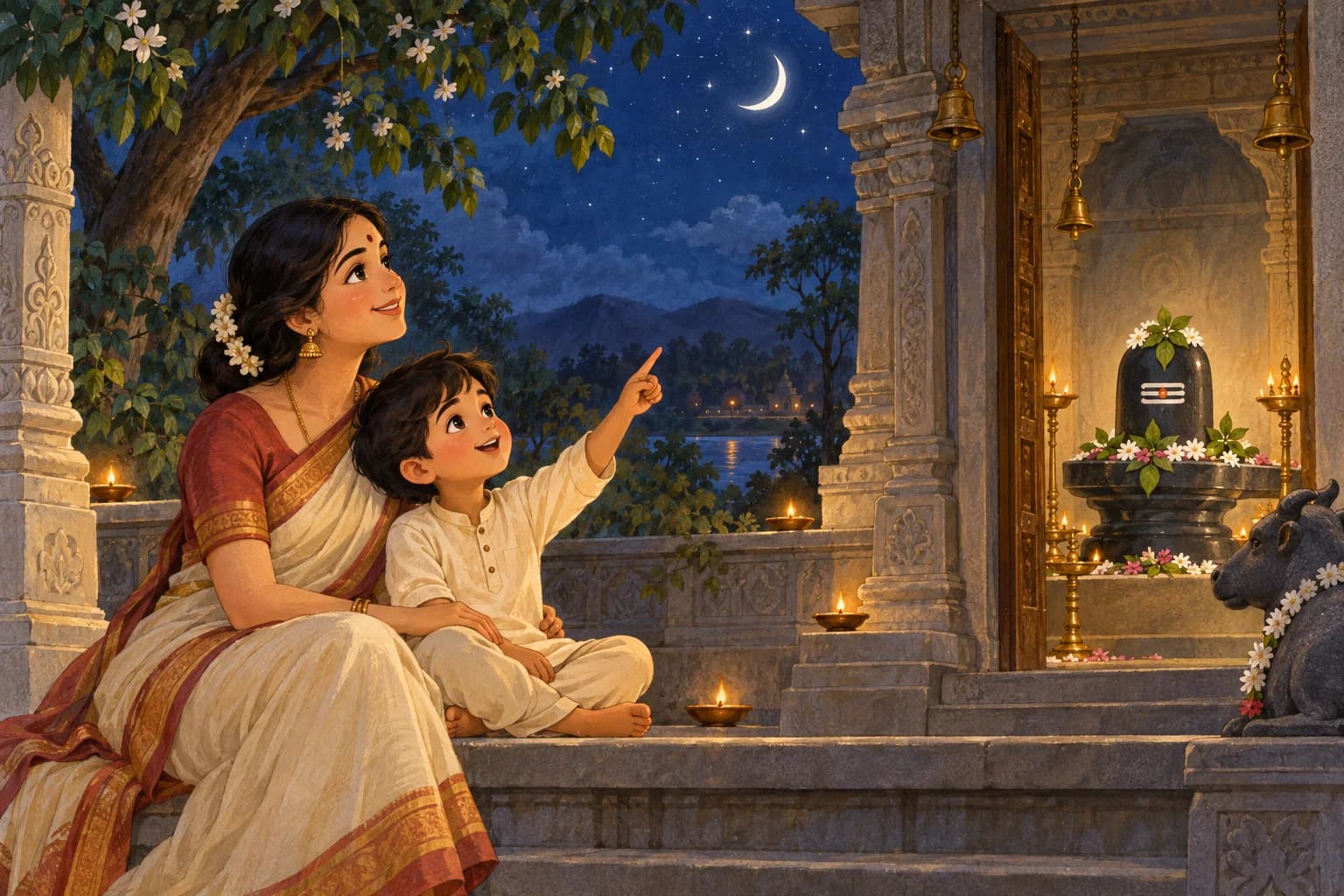
Maha Shivaratri means the Great Night of Shiva. It is a Hindu festival devoted to Shiv Ji, often observed in February or March. Families may visit a Shiva temple, offer prayers, sing devotional songs or spend time in meditation. The emphasis on the night makes this occasion different from many daytime celebrations.
Hindu American Foundation describes it as a time of spiritual renewal, with practices including worship, fasting and reflection. A family’s observance depends on its tradition and circumstances. Learning about an adult’s practice does not make it a requirement for a child. A short reading or listening time can be a useful way to begin understanding the occasion.
Notice how a family observes
Before a temple visit, ask what you are likely to see. Where do people leave footwear? Is there a time for a song, and where can a child rest? Local arrangements differ, so the people caring for that temple are the best guides to its practical customs. You can watch respectfully while learning what unfamiliar words mean.
You may encounter a Shiva linga in worship. This sacred form represents Shiva; other artworks show his face, a seated figure or the dancing Nataraja. Our linked Shiv Ji guide introduces a few of these images. Naming what you actually see can be a good starting point before asking about its meaning.
A little time for attention
For an ordinary family evening, try a small period of shared attention. Choose a short passage about Shiv Ji, listen while one person reads and leave time for a question. Put distractions aside if that helps. This is our learning suggestion, not a claim that one activity reproduces the festival’s many devotional practices.
Attention does not mean that nobody moves or asks for help. One child may listen while drawing; another may need a break or a simpler explanation. Choose a comfortable length together. The meaning of a spiritual occasion is not measured by how late a child stays awake or how still they can sit.
Before finishing, each willing person can name something they noticed and one question for later. Perhaps the next reading will explain the crescent moon in Shiva’s hair or his help with Ganga’s descent. Leave the book ready for another day. A small, thoughtful beginning can support continuing curiosity.
Let’s talk about it
What would you ask before visiting a Shiva temple for the first time?
One more question
What helps you listen comfortably during a short shared reading?
What helps you listen comfortably during a short shared reading?
A little wisdom to keep: Make room for a little attentive learning in a way your family can manage.
A three-part evening card · 5 minutes
Make a small card with space for reading, noticing and a question. Choose a comfortable place to use it together.
Choose one short passage about Shiv Ji and agree who will read or describe its picture.
Listen or draw while it is read. Each person may name one detail they noticed.
Write one question for the next meeting and choose when to return to it. Finish at the agreed time.
A note for grown-ups
This activity asks for no fasting, sleep loss, flame or breath-control exercise. Adults decide appropriate participation in actual observances. Keep questions welcome and allow children to move, rest or stop.
Sources & tradition
Festival practices follow HAF’s Maha Shivaratri introduction; the Met’s Shiva object record supports the image discussion. Families differ in observance. The evening card is an original learning activity, not a prescribed ritual or calendar for a particular location.